Archive for August, 2015

Grav*** (Assembly Hall, Edinburgh)

Posted: August 25, 2015 in Theatre

2015GRAV-Y9-300

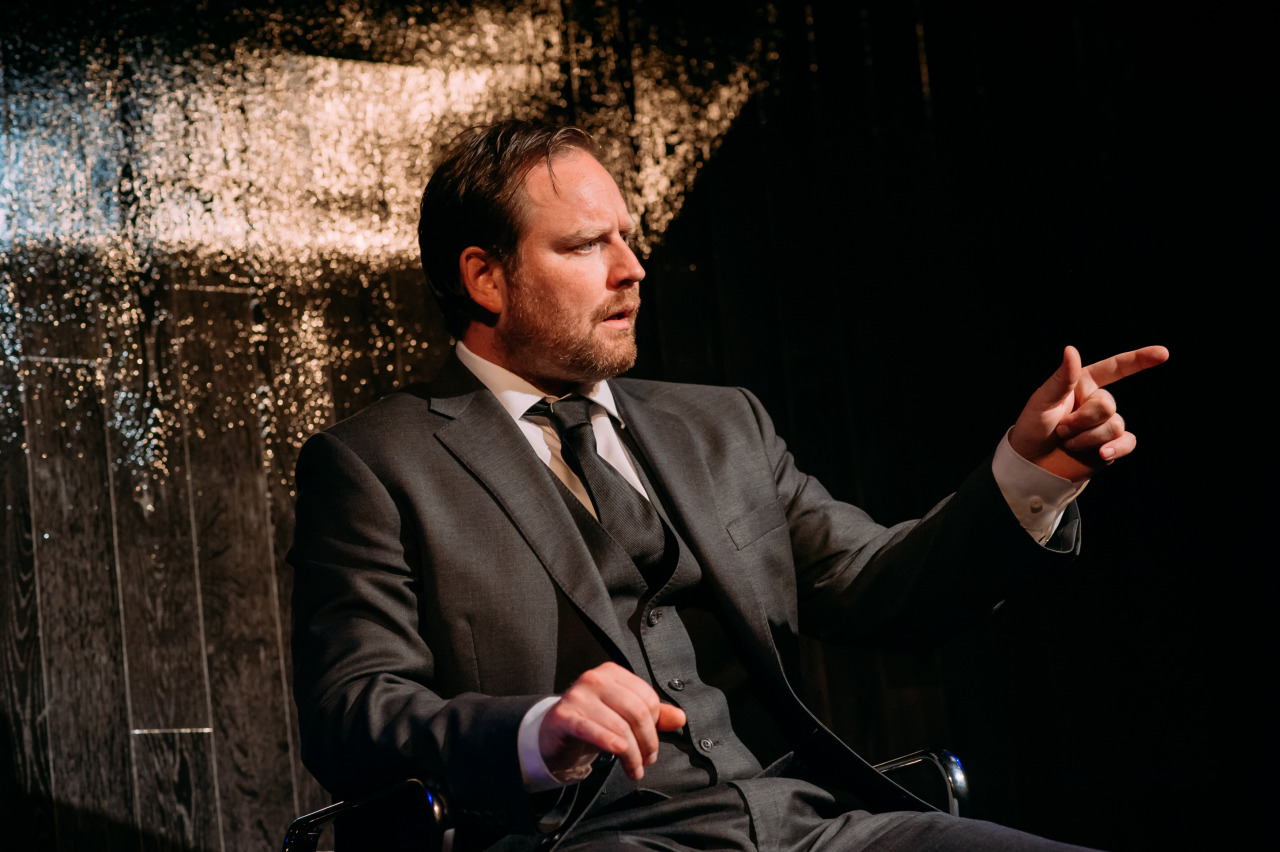
Grav is Ray Gravell, Welsh international and British Lion Rugby player of the 70s and 80s. Owen Thomas’ play is a 75 minute monologue taking us through his life, from childhood in a tiny Welsh village to celebrity status in later years, including appearing in a film alongside Peter OToole. The story dwells long on one match that ended Llanelli 9, New Zealand 3, underlining its main theme – the triumph of a humble man on a world stage. Gareth Bale (no, not the footballer) plays Grav as a starstruck lad from the valleys, bemused to be in the company of Gareth Edwards, JPR Williams and the like and relating a string of very amusing anecdotes.

Performance date: 17 August 2015

crash

A sobering monologue, Andy Duffy’s play tells of a risk-taking stock market trader (Jamie Michie) whose personal life is a train wreck to match the financial crash of 2008. Michie describes both aspects of the character’s life with equal emotional detachment, making an interesting point, but, in so doing, he leaves the whole piece feeling dull and rambling. A disappointment.

Performance date: 16 August 2015

gambler-650x250

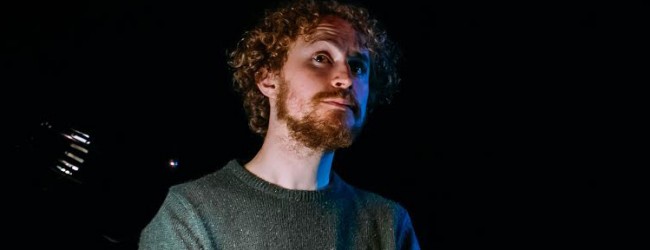
Gary McNair’s Donald Robertson is not a Stand-up Comedian was my favourite show at last year’s Edinburgh Fringe and here he is again at the same venue, this time with an affectionate tribute to his own grandfather, probably the only man in Glasgow to have placed a bet on England to win the World Cup in 1966. McNair proves again that he is a consummate storyteller with a beautifully constructed tale, full of irony, pathos and humour. The unmistakable squeaky voice of Donald takes us through McNair’s childhood fascination with his granddad’s eccentricity, leading to unconcealed admiration during the old man’s dying years. Maybe the sting in the tail is not quite as sharp as in last year’s show, but still this is another hour to treasure.

Performance date: 16 August 2015

impossible EdFringe Square_RGB

Harry Houdini and Sir Arthur Conan Doyle, working in very different fields, both possessed gifts for mystifying the public. Robert Khan and Tom Salinsky’s play shows how a friendship borne out of mutual admiration was formed between the two, only to flounder when Doyle’s stubborn advocacy of spiritualism clashed with Houdini’s staunch belief that everything must have a logical explanation. Alan Cox is the confident and unswerving illusionist and Phil Jupitus drifts in and out of a Scottish accent (risky for this venue) as the creator of Sherlock Holmes. The writers sow the seeds of a good idea that never really comes to fruition in a rather flat production falling well short of the wit and invention for which both of its protagonists were renowned.

Performance date: 16 August 2015

Fake-It-Til-You-Make-It-C-Richard-Davenport-620x330

Theatre can be bewilderingly complex, but, every so often, something like this apparently simple little show can come along and blow you completely away. It undervalues the work of Bryony Kimmings and Tim Grayburn to call their piece simple, but it is a tribute to them to say that the sum total of their undoubted efforts is that they make it seem so – just a small studio space, a few funny hats and other props and two people talking to and about each other and themselves. Bryony, a performance artist and Tim, an advertising agency account manager, meet, begin a relationship and, six months later, Tim reveals that he suffers from severe clinical depression. There is not much funny about a condition that contributes to suicide having become the leading cause of death for men in the UK under 40, but a lightness of touch, embellished by the sweetest hints of romance, prevails throughout. Much is made of Grayburn’s lack of stage a technique, a conceit that grows thin as the show progresses, but everything else is a sincere, humorous and natural account of coming to terms with mental illness, talking about it, and sharing day-to-day problems such as managing medication. The show is a triumph, filled with warmth and positivity. Oh and Bryony is heavily pregnant, another reason to congratulate this talented pair..

Performance date: 16 August 2015

tomorrow-at-the-traverse-theatre-for-edinburgh-festival-2015_8298201

A young man, hurrying to visit his wife and new-born daughter in hospital escapes a strange encounter in the street, but is then transported into the future, finding himself in an old people’s home, still young but inside an old body. How quickly life passes and how long drawn out its ending is what it seems we are being shown. Vanishing Point’s production, conceived and directed by Matthew Lenton is a haunting visual and atmospheric account of senile dementia and the closing stages of life. Dialogue is perfunctory – everyday chit-chat, calming words from nurses to patients, necessarily repetitive and banal. There are elements of cruel beauty in a production that has bewitching qualities, but maybe its messages are not ones that not many of us are keen to take in.

Performance date: 15 August 2015

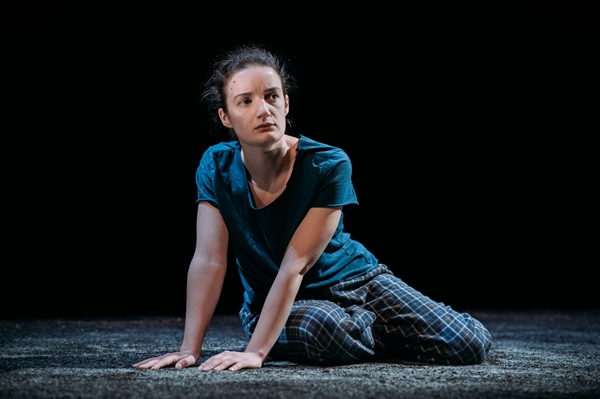
a girl is a half formed thingAnnie Ryan’s adaptation of Eimear McBride’s novel tells the story of the first 20 years in the life of a Dublin girl, growing up with her dominant mother and older brother. The raw and harrowing narrative includes several shocking elements as the girl grows to accept being the victim of various forms of abuse and adds to her own torment. The character is brought vividly to life in an astonishing performance by Aoife Duffin. Describing events in a matter-of-fact way, she makes the lowering of the girl’s self esteem seem almost as horrific as the pain of what it is inflicted upon her and, standing alone on the large stage of Traverse 1, she paints an unforgettable picture of loneliness and despair.

Performance date: 15 August 2015

Splendour*** (Donmar Warehouse)

Posted: August 15, 2015 in Theatre

splendour

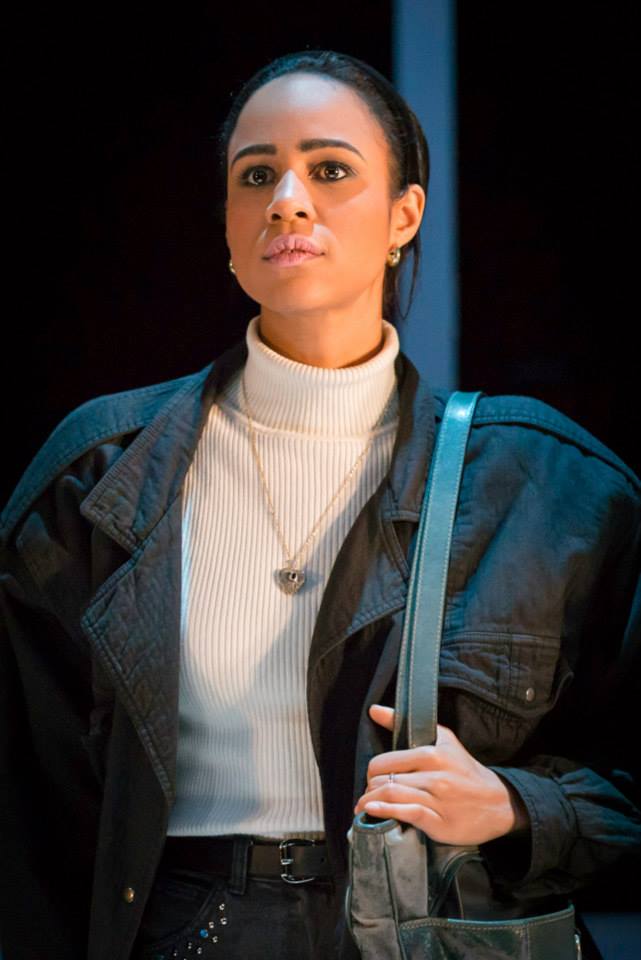
With flashing lights, the sounds of gunfire, explosions and shattering glass, the sanctuary of a presidential palace in some unspecified, freezing urban war zone is under threat. Four women await their fates: the President’s wife, Micheleine in her designer outfit and matching accessories; her “best friend” (the pair really hate each other), Genevieve, widow of an artist whose painting hangs in the Palace’s reception room; A photographer from another country, Kathryn, waiting to take a portrait of the absent President; and a translator, Gilma, a local girl and compulsive thief. Abi Morgan draws these characters vividly, with sharp and insightful dialogue and superb performances flesh them out, but then Morgan places them in a context that is frustratingly vague and enigmatic. Scenes are played and re-played, without being fully explained; characters talk to each other, to themselves, to the audience and through the translator/mistranslator and we are often unsure as to which. Sometimes Morgan’s structure is Pinteresque, but the interaction of the women is never less than intriguing. Director Robert Hastie packs the play with edginess and tension and Peter McKintosh’s cold and spacious art deco set is magnificent. Sinead Cusack’s bitchy and defiant Micheleine dominates most scenes, complemented by Michelle Fairley’s nervy and self-deluding Genevieve. Genevieve O’Reilly’s Kathryn is an icy outsider, here to observe and record, but not immune to emotional involvement.  Zawe Ashton’s Gilma is a mischievous upstart, surveying the palace’s splendour whilst eager to gain from the uprising on the streets outside. Perhaps the play suffers from Morgan being a little more clever than she needs to be; perhaps a more straightforward linear narrative could have helped it to arrive at a more satisfying conclusion. As things are, this is an engrossing 95 minutes that leaves behind it a niggling feeling that it should have been so much better.

Performance date: 14 August 2015

We Were DancingThe Better Half

This review was originally written for The Public Reviews: http://www.thepublicreviews.

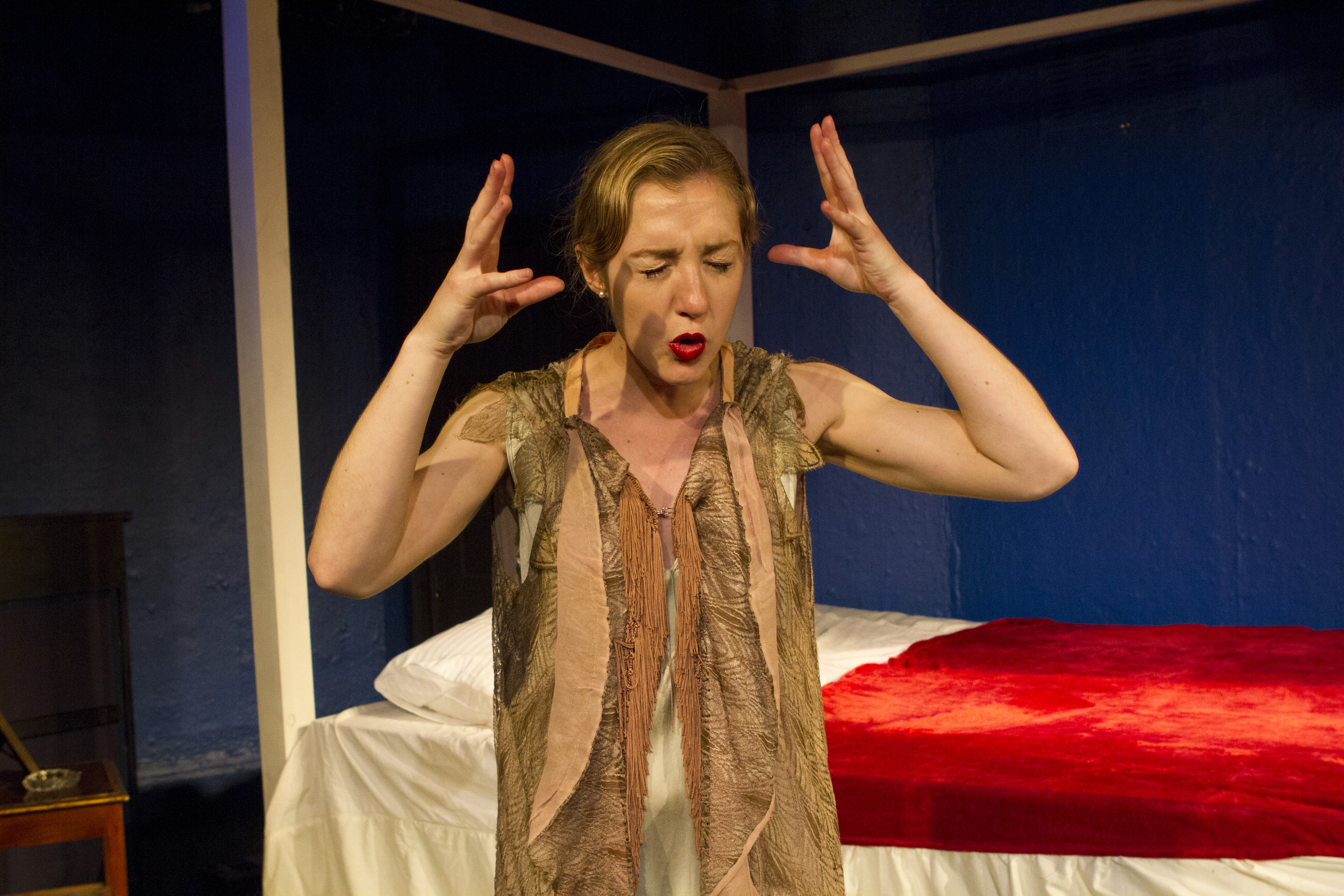
Noel Coward was so adept at slipping risqué messages under the radar of the Lord Chamberlain, that it becomes easy to overlook how “naughty” he may have been. From the perspective of his own unconventional (for his day) lifestyle, he became a wry observer of the couplings and uncouplings of the filthy rich in the interwar years. Neither of the two featherlight playlets presented here by Proud Haddock productions comes anywhere near Coward’s astute examinations of relationships in, say, Private Lives or Design for Living, but both give insights into the frivolous lives of people with too much money to bother about being sensible, the types who would always find time for infidelity between trips to look after their interests in the colonies. We Were Dancing (1935), originally part of the Tonight at 8.30 play cycle, takes place in a country club somewhere in the tropics. Hubert (John MacCormick) walks into the club bar to find his wife (Lianne Harvey) dancing with another man and reacts as if he is witnessing adultery. It turns out that he is not far wrong. James Sindall is a joy as the other man, blithe and remaining oblivious to the married couple’s agonising. Stiff upper-lipped Hubert can do no more than ask his wife’s prospective lover “would you care to come back to the house and have a bath?” A slow scene change sees the country club become, rather neatly, a four-poster bed for The Better Half, written in 1921, but not discovered until 2007. In this menage à trois with a twist, Tracey Pickup’s ferocious, self-absorbed Alice has become so bored with her gentlemanly husband (Stephen Fawkes) that she uses every means at her disposal to persuade him to leave her for a woman who adores him (Beth Eyre). Apposite songs, taken from other Coward shows, are added to the mix to provide pleasant interludes. Director Jimmy Walters does not overdo the pastiche, seemingly realising that the playlets are already self-mocking and that Coward’s matchless wit is enough to get the laughs. The two playlets run together for no more than 70 minutes and Coward showed masterful judgement in not trying to stretch out either of them. By modern standards, they do not seem particularly naughty, but they are still quite nice.

Performance date: 11 August 2015

thepublicreview_hor_web copy

F-cking MenThis review was originally written for The Public Reviews: http://www.thepublicreviews.com

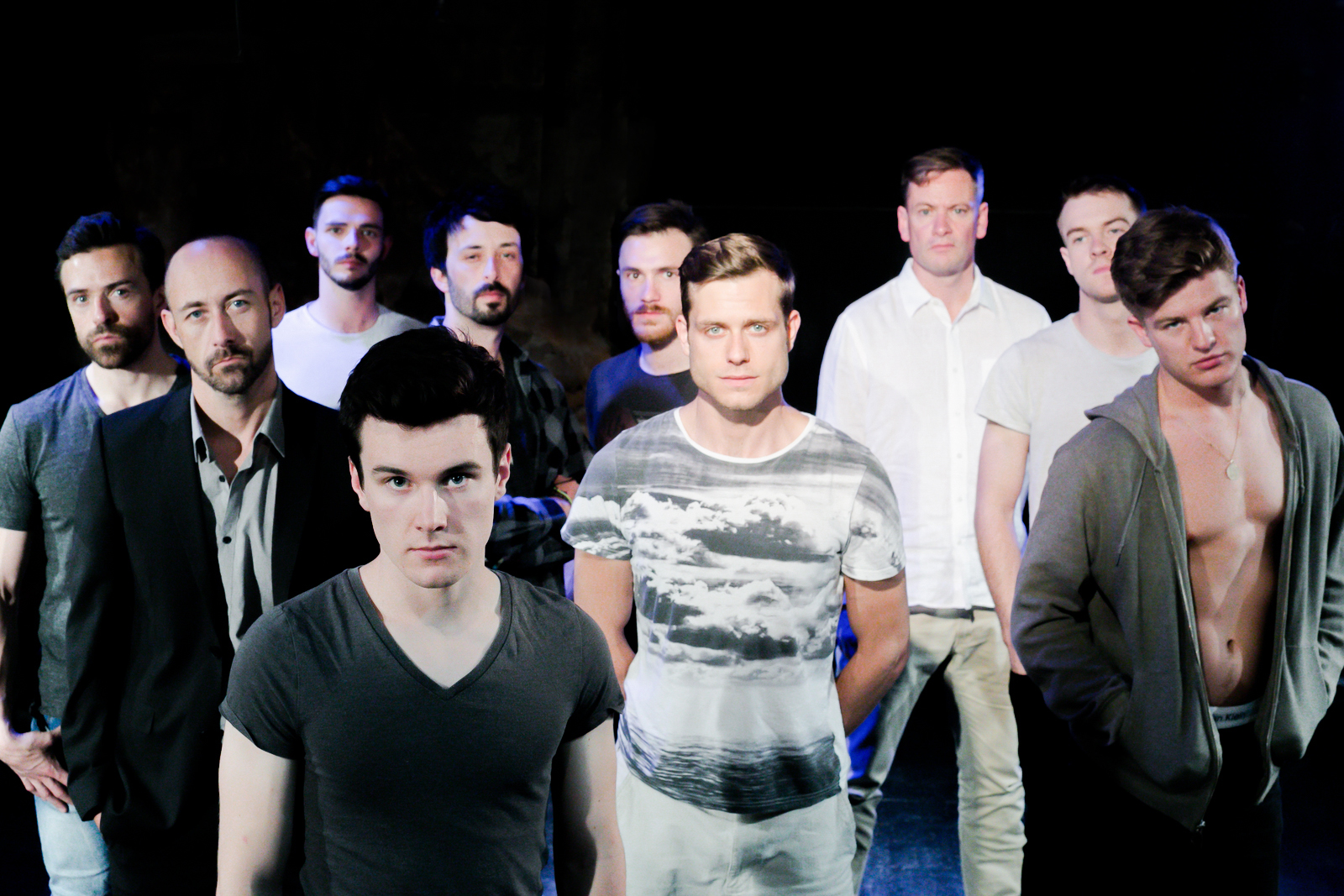
The general concept of Arthur Schnitzler’s play La Ronde, written in 1897, has come around in many guises over the years – the musical Hello Again and David Hare’s The Blue Room are examples – and here Joe DiPietro gives a distinctly modern twist to the old story. This production is a revival of the play that already holds the record (nine months) for a run at the King’s Head. It tells of a chain of lovers linked together by carnal desires, but torn between sexual freedom and commitment. Repeated references to the “only connect” passage in EM Forster’s Howard’s End underline that the play’s central purpose is to examine the nature of connections that people make with each other.. Oh, and in case the title had not given it away, all the characters are gay males, although, in the equal society of 2015, sexual orientation may be regarded as incidental. DiPietro is writing about the wider human condition, but the assertion by one character that the advantage of being gay is not being trapped by monogamy now seems rather ironic. This 90-minute merry-go-round ride begins in a park at night with John (Chris Wills), a rent boy, picking up a soldier (Harper James), who justifies the encounter to himself, unconvincingly, with “you take girls to dinner first, with guys you just have to look”. The soldier develops a taste for the thrill and the danger of casual liaisons and goes to a sauna, where he meets a tutor (Ruben Jones), who then finds it impossible to resist the teasing of a 21-year-old student (Euan Brokie). When the student sets up an internet hook-up with an older man (Jonathan McGarrity), DiPietro begins to explore the fragility of marital fidelity. The man is having this casual dalliance for no better reason than that his spouse (Richard De Lisle) does the same regularly, observing agreed rules (or so he believes). But these scenes ask whether monogamy and promiscuity can ever co-exist without deceit. A porn actor (Haydn Whiteside) who yearns to be valued for more than just his physical attributes, a fringe playwright (Darren Bransford), a closeted Hollywood movie star (Johnathon Neal) and a television chat show host (Richard Stemp) all follow in the chain until, finally, the latter hires the services of John. By its nature, the play is episodic, but Geoffrey Highland’s simply-staged production flows smoothly from scene to scene. It is edgy, acted with conviction and, with soft music such as Ravel’s Bolero heard in the background, tinged with pathos. The play offers a witty and entertaining reflection on the fundamental human dilemma – to commit to someone or to roam free or both? In the final segment, a hint of sentimentality creeps in and DiPietro seems to come down on the side of commitment, but, otherwise, he presents all the cases objectively and leaves us to decide for ourselves.

Performance date: 8 August 2015

thepublicreview_hor_web copy