Archive for the ‘Theatre’ Category

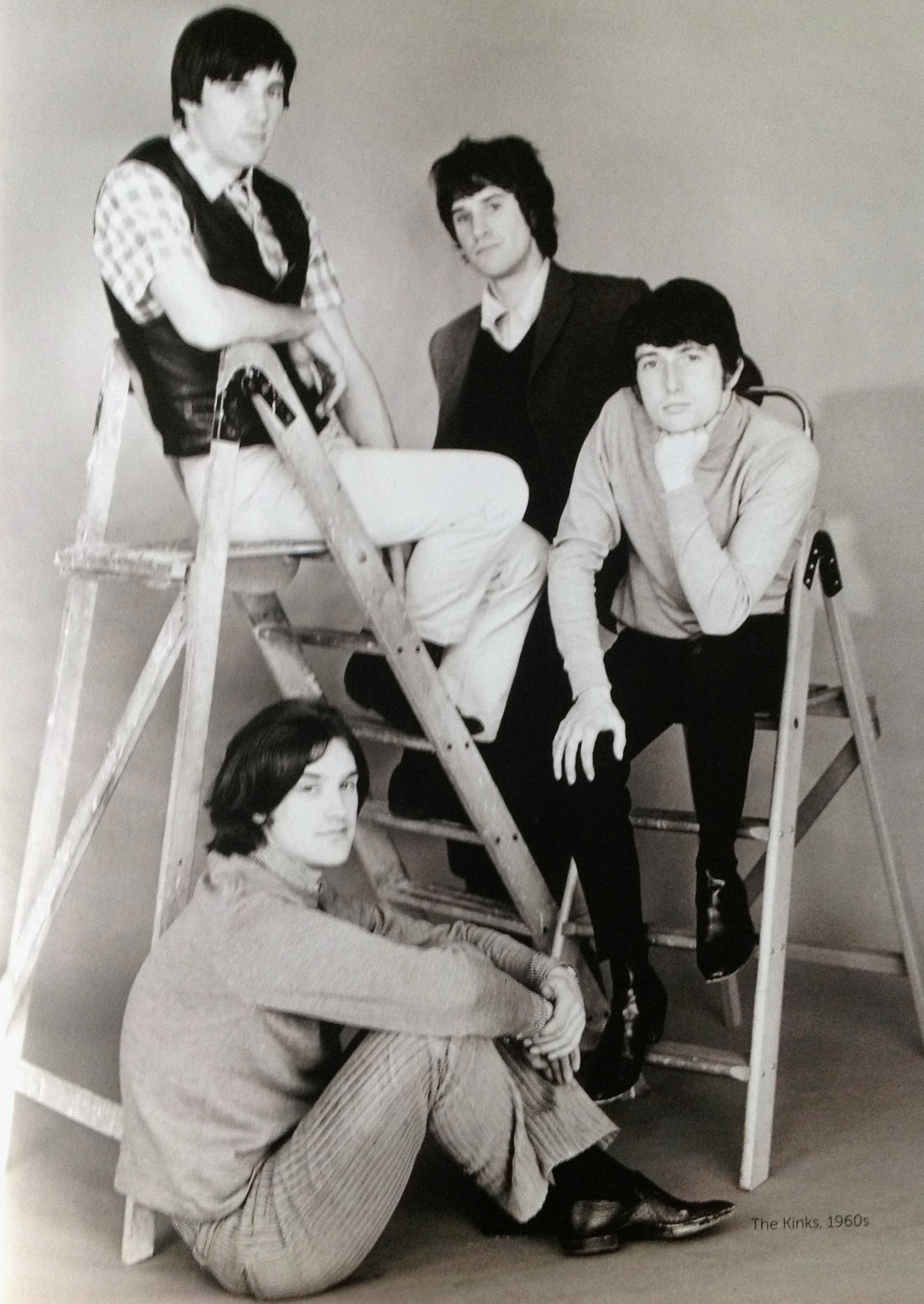
photo-69With new British musicals dropping like flies in the West End lately, surely the last thing needed to replace one of them is yet another so-called juke box show, regurgitating old hits that the audience can hum as they enter the theatre. Well actually, if that show is this one, it is exactly what is needed. Sometimes you go to the theatre knowing beforehand that you are going to love what you see and here we have an example of that which never disappoints, not for a single second. The Kinks may have fallen a little way behind the Beatles, the Rolling Stones and the Who in the Premier League of 1960s bands, but when it comes to stage adaptations of musicians’ lives and music, Sunny Afternoon is up there vying for the title alongside Jersey Boys. Yes, it really is that good! The secret lies in the songs’ lyrics, written, along with the music, by Ray Davies (played brilliantly here by John Dalgleish) who, we are told, thinks in songs; thus, his lyrics, often satirical and very amusing, form a commentary on life as he sees it and the songs fit naturally into the show’s narrative. The rags-to-riches story contains little that is new, but it is told with such freshness and verve that it feels new. Four working class lads from Muswell Hill jump onto the 60s pop bandwagon, make it big, get exploited by management, music publishers and record companies, have a disastrous tour in the US which results in them getting banned from the country, argue and fight with each other and eventually come to terms with their success. In another life, Ray could have been an office clerk, more the stay-at-home type, but he is haunted by the sudden death of his sister Rene when he was 13, on the same day that she gave him his first guitar and he is determined to make it as a musician for her sake. His younger brother Dave (another great performance by George Maguire), just 16 when it all starts, is the polar opposite – a wild partygoer with a fondness for cross dressing (although not, apparently, the inspiration for Lola). Pete (Ned Derrington) and Mick (Adam Sopp) make up the band. A ramp stretching right into the centre of the stalls sends out a clear message that these guys belong to the people and extends an already large stage to give plenty of room for Adam Cooper’s inventive choreography, which often features a troop of girls who might be the Davies sisters, screaming groupies or Pan’s People at various times. The book, written by Joe Penhall from Ray Davies’ own original story is concise and witty and Edward Hall directs with aplomb. Most of the familiar hits, many of which sound better now than when first released, are included and performed superbly, but, in case any were missed, a five minute medley of ones that might not have fitted into the narrative comes after the cast have taken their bows and gets the entire audience (many in the same age group as the Kinks) onto its feet, jigging around and clapping. As well as telling the story of a rock band, the book and the songs’ lyrics also describe a unique decade of massive change and they paint vivid pictures of a city (London) in which dedicated followers of fashion strolled on sunny afternoons, heading for Waterloo at sunset. For those of us who can remember such things and probably also for those who can’t, this is a joyous show.

Performance date: 7 May 2014

This review was originally written for The Public Reviews: http://www.thepublicreviews.com

The lounge room of the Leicester Square Theatre has a performance area of little more than 9ft by 6ft, with the audience seated on three sides and a hard wooden bench on the fourth. This is a prison cell in which a single prisoner, Oscar Wilde, paces back and forth, sits, kneels and bemoans his confinement and his fall from grace. Paul Dale Vickers has adapted and set to music the letter written by Wilde from his prison cell to Lord Alfred Douglas (“Bosie”), his former lover and the cause of his downfall. Essentially it is a self-pitying lament, as Wilde bemoans his loss of status, liberty, dignity and respect. He has faced ridicule on a corner of Clapham Common whilst being transported to gaol, his mother has died during his confinement and the courts have ruled him an unfit father for his two beloved sons. All this for the sake of “the love that dares not speak its name” and for a man that he regards as vain, selfish and holding a talent for being coarse, a man who reciprocates by treating Wilde like a trivial plaything. Bearded and wearing a denim jacket over a t-shirt, Alastair Brookshaw makes no attempt to look like Wilde, but he acts and sings this piece beautifully, giving what is, in effect, a 50- minute chamber recital, with the accompaniment of a single piano. He shows us a man filled with bitterness and resentment, railing against those who have betrayed him and at the hypocrisy of late Victorian society. The wit for which Wilde was renowned is absent from the letter, which is consistent in its angry, pessimistic tone. However, there is little anger in the rich, melodic score which soothes more than enrages. It encourages quiet contemplation of injustices in our country more than a century ago and injustices that still persist in Russia, Uganda and scores of other places across the World today.

Performance date: 6 May 2014

thepublicreview_hor_web copy


Bullets_6501This review was originally written for The Public Reviews: http://www.thepublicreviews.com

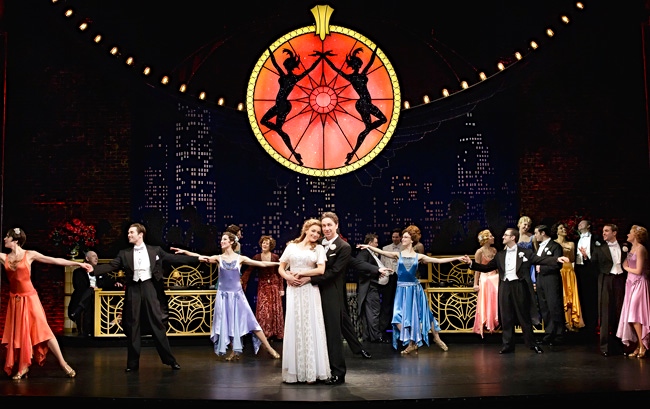
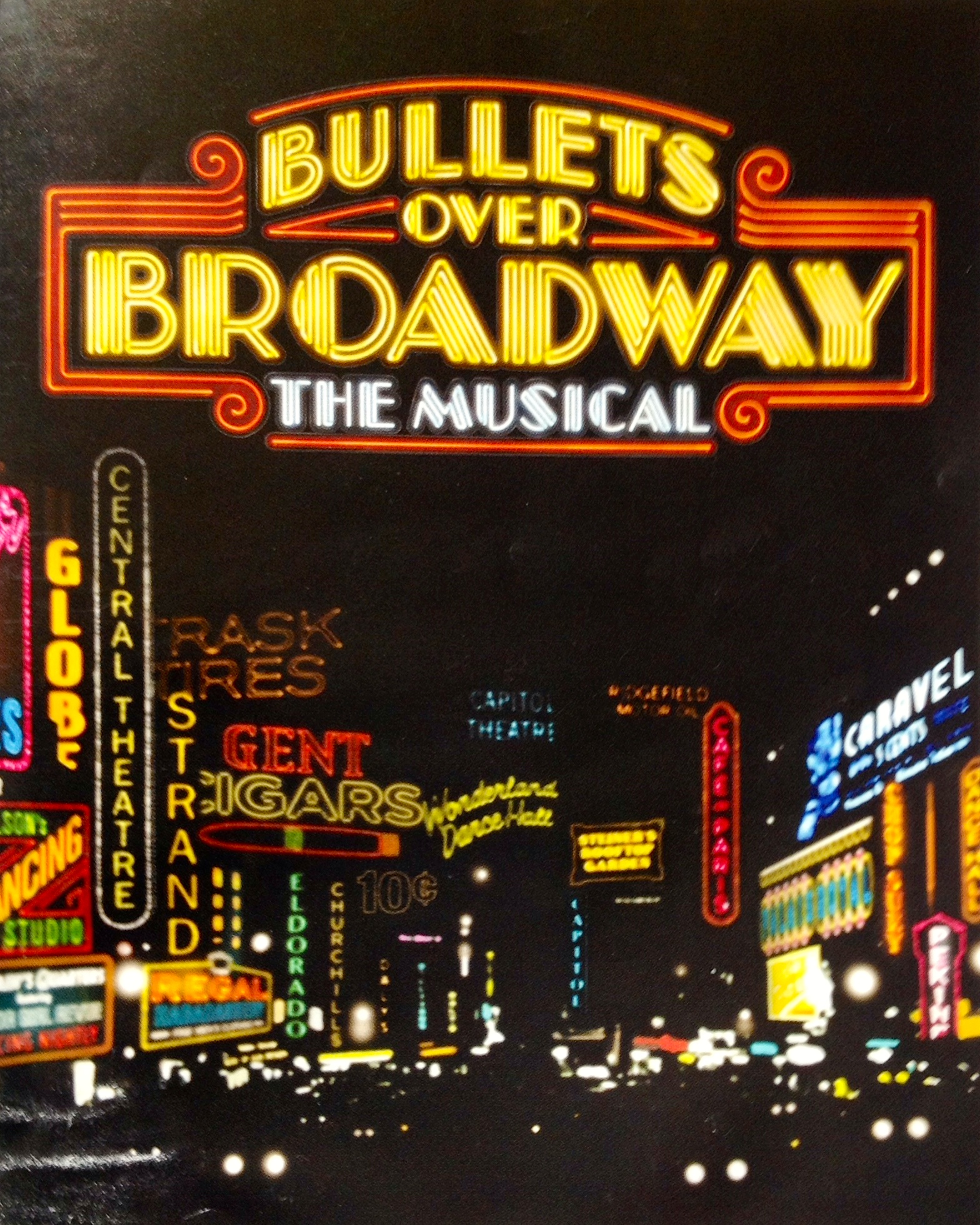
Some things are so obvious that it is a mystery why they have never happened before. It has always seemed natural that Woody Allen’s lifelong love affair with New York and his passion for the music of the golden age of the 1920s and 30’s would come together to create a Broadway musical and, at long last, here it is. Purists may argue that a real musical needs an original score, but, when a show incorporates standards by Cole Porter, Hoagy Carmichael and a host of others from the same era, who can possibly complain? The book is adapted from Allen’s screenplay for the film which he made in 1994, during his own golden age. It concerns David Shayne, a struggling young writer (a character clearly identifiable with Allen himself) who, desperate to get his play performed on Broadway, agrees to have the production financed by a gangster; in return, the gangster’s girlfriend Olive, a hooker and a truly awful actress whose only previous stage experience has been in striptease shows, will get a starring role. The gangster assigns Cheech, a seemingly brainless thug, to chaperone Ellen, but Cheech becomes so absorbed in the project that he begins to re-write the play and eventually reaches the point where he is prepared to kill or be killed for the sake of his art. In essence and tone, the show occupies the same territory as Mel Brooks’ The Producers, affectionately satirising the murky links between the art of theatre and the financing of it. Allen delivers a piercingly funny gag in his very distinctive style for every few seconds of dialogue and who better than Susan Stroman (also director of The Producers) to keep it all moving along? Featuring possibly the most overworked chorus line in the recent history of musicals, the whole company, from the lead actors down, join in the singing and dancing. Zack Braff is a lot more animated than the writer himself might have been in the role of the put-upon and bemused David Shayne, but his style of delivery and Allen’s lines are a perfect match. Helene Yorke is a delightful Olive, performing the very risqué The Hot Dog Song to howls of laughter. As Cheech, Nick Cordero is made up to look like a near relative of Frankenstein’s monster and he gets to lead his gang of hoods in the big showstopper, a fabulous tap dance routine to ‘Tain’t Nobody’s Biz-ness If I Do. Amongst a top notch cast, other stand-outs are Marin Mazzie as a fading Broadway star who proudly proclaims herself to be “a dipsomaniac, a nymphomaniac and a kleptomaniac” and Brooks Ashmanskas as a leading man with the king of all eating disorders, whose waistline expands almost as we look at him.! ! The first half, a whirlwind of comedy, music and dance, is at times blissful and the question at the interval is whether it can possibly get any better. The answer is that it can’t. There is still loads more to enjoy, but, as the second half progresses, Braff’s excessive physical clowning, great at first, starts to grate, the running gags run out of steam and Allen’s musical choices go from inspired to, in the final routine, insipid. Surprisingly, Yes! We Have No Bananas does indeed originate from a Broadway musical, but, by closing his show with it, Allen seems determined that his last gag is to be at the expense of the audience. However, it feels churlish to nitpick over details at the end of an evening packed with so much entertainment. It feels as if Woody Allen has found a home here where he belongs.

Performance date: 3 May 2014

thepublicreview_hor_web copy

photo-60This review was originally written for The Public Reviews: http://www.thepublicreviews.com

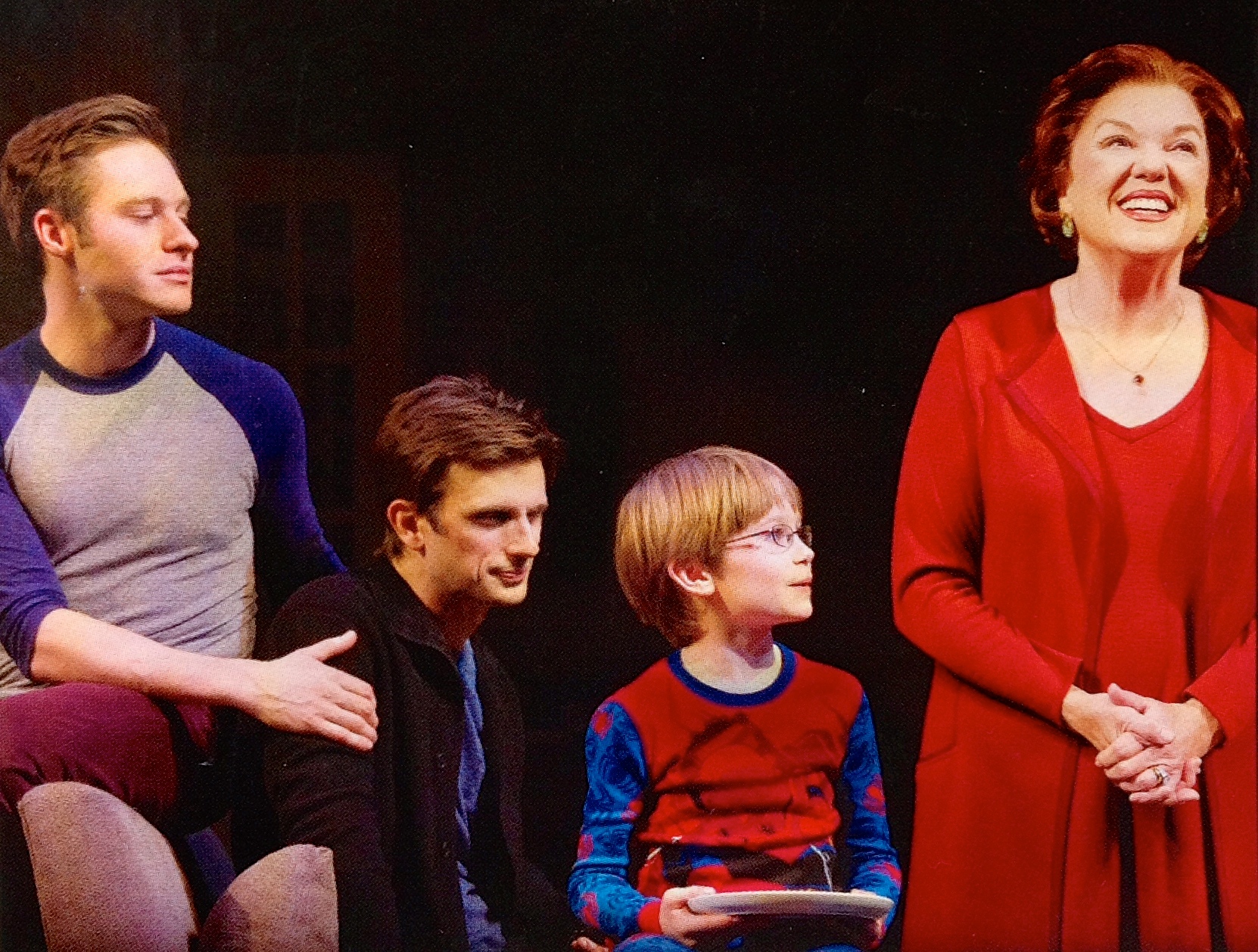
In a career spanning half a century, this is Terence McNally’s 20th play to be staged on Broadway and, having already secured a Tony Awards nomination for Best Play, it could be amongst his finest. Amidst the bright lights and deafening noise of the Great White Way, it comes as a surprise to find something as small and gentle as Mothers and Sons, a subdued conversation piece involving three adults and a child. Yet its location emphasises McNally’s precise point – that, in a world in which everything moves so fast, changing in ways that we can never expect and maybe not understand, we need occasionally to stop to take stock quietly and learn to cherish our links with past times as we move towards a better future. Katherine (Tyne Daly) drops in unexpectedly at the New York apartment of Cal (Frederick Weller), who had been the lover of her late son Andre. They had neither met nor spoken in the 20 years since Andre’s death from AIDS and Cal regards her as a coldhearted gorgon. He is now married to Will (Bobby Steggert) and they have a six-year-old son, Bud. Katherine is in her 60’s, Cal in his 40’s and Will is 15 years younger than him. The views of the four generations represented here vary widely, each of the individuals having been deposited in a different place by the shifting sands of time, carrying their own baggage and looking at life from their own perspectives. Katherine can neither use the internet nor comprehend the nature of a two-father family. Cal had never imagined that he could marry or have children, whilst Will had never imagined that he would not do both. The two men may occasionally use politically incorrect terms such as “Indian” or “Eskimo” and then instantly correct themselves, but Bud is not even allowed to hear the words. Daly’s portrayal of Katherine is haunting, her large round eyes often staring in bewilderment as she struggles to understand the younger generations, but is unable to shake off her own background and prejudices. The loss of Andre and changes in society have made her question her own role in life and led to her wondering whether there is any point in continuing. She is desperate to reach out to this family and keep alive her own connections with Andre, but she has absolutely no idea how to do so. Weller’s Cal is kindly and forgiving towards Katherine, yet he is also confused by changes that he has seen and disbelieving of his fortune to belong to a blessed generation for a gay man. He proudly gloats over being able to call Will “husband”, insisting that it is the only correct word. Steggert’s Will is certain that the modern way is the only way, but he is suspicious of a woman who cannot bring herself to shake his hand when offered and wary of the long shadow cast by Andre. These are three magnificent performances and Grayson Taylor’s brief appearances as the precocious Bud are very affecting too. Running for little more than 100 minutes with no interval, Mothers and Sons is a sharply intelligent exploration of the human condition, filled with tender emotions and astute observations. A small but sparkling gem.

Performance date: 3 May 2014

thepublicreview_hor_web copy

maxresdefaultThis review was originally written for The Public Reviews: http://www.thepublicreviews.com

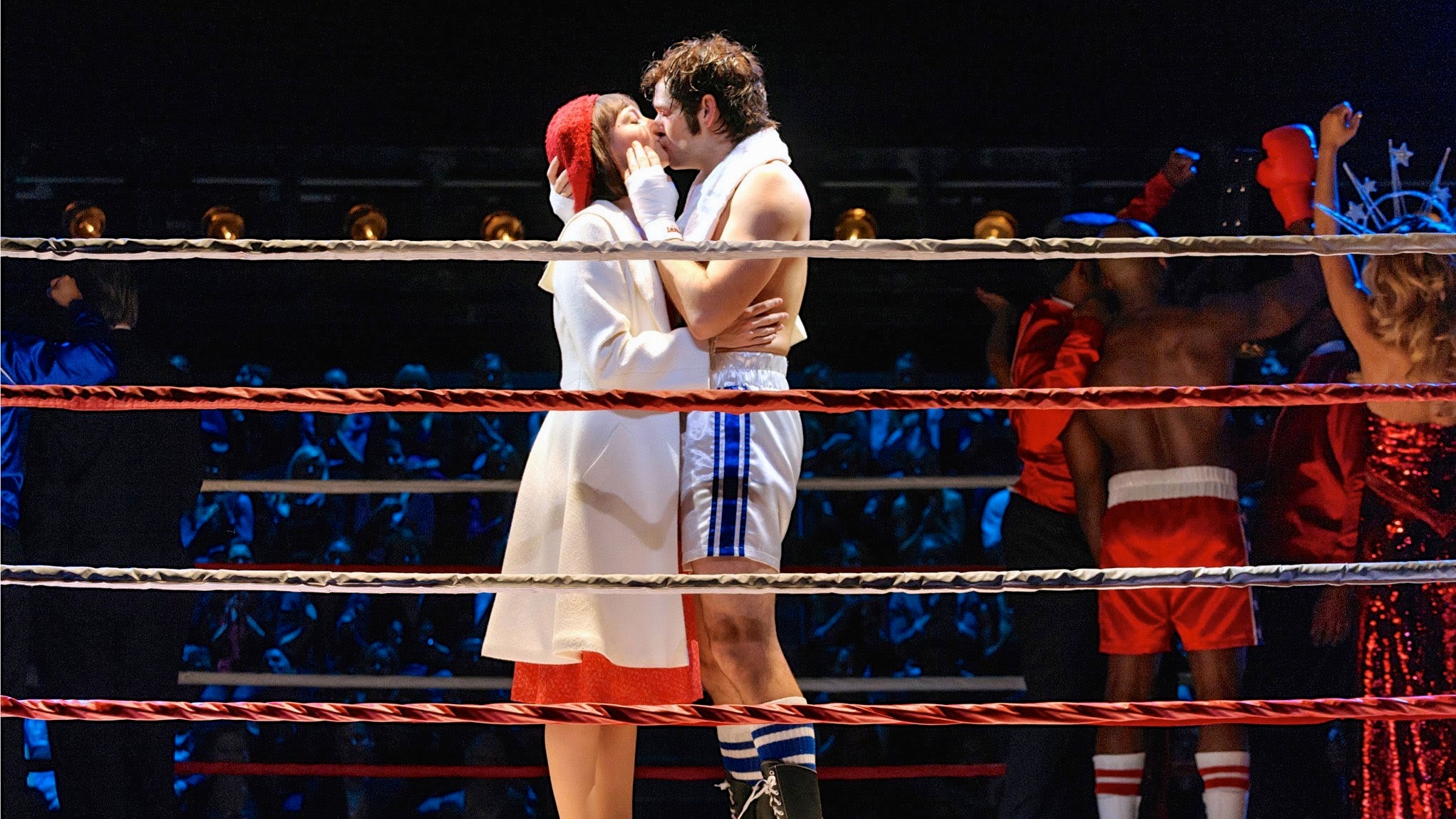
In the blue corner we have musicals, traditionally romantic, emotional and more than a little bit camp; in the red corner there is boxing, traditionally brutish, blood-spattered and very macho. A mismatch for sure, but the fact that this show’s two key elements never feel as if they belong together is just the start of its problems. What audiences could the producers have been aiming for? Perhaps they saw great cross promotional opportunities with a lover of musicals bringing along a sports fan or vice versa. If so, the likely outcome would be each of them screaming to the other at the interval “what the hell did you drag me to this for?”. The 1977 film Rocky was a huge success, spawning five sequels (those less charitable might label them re-makes) and now this. Sylvester Stallone and his collaborators sure know how to stretch out a franchise. The slight story involves Rock Balboa (Adrian Aguilar at this performance), a 29 year old down and out Philadelphia boxer who, by unlikely chance, gets a shot at the World Heavyweight Title, held by Apollo Creed (Terence Archie). At the same time, he is stumblingly embarking on a relationship with Adrian (Margo Seibert), a shy girl from the local pet shop. It is classic triumph of the undergo stuff of the sort that fuels the American dream. Stephen Flaherty’s score incorporates the most famous theme from the films and also imports Eye of the Tiger to provide the show with by far its best song and dance routine. Otherwise, the melodies are pleasant but unmemorable, not helped by Lynn Ahrens’ frequently bland lyrics. The earliest sign that Rocky could be on a rocky road comes when our eponymous hero begins with My Nose Ain’t Broken. The songs get better but not by much. A talented company of actors/singers do their best, but the script never allows them to develop their characters beyond replications of the portrayals seen in the films. The main purpose of transferring a piece to theatre from another medium should be to add a further dimension that only the live experience can bring. However, in this case, all that is achieved during at least 80% of the show is making everything smaller. The use of filmed segments projected onto huge screens, increasing as the show progresses, can be seen as an admission of defeat by the creators, effectively saying that this always worked better as a film and should have stayed as one. However, there is light at the end of the tunnel. As the climactic fight draws near, a boxing ring appears on stage and audience members sitting in the front half dozen or so rows are ushered to take their places in tiered seating behind it. The ring then thrusts forward into the auditorium, coming to rest above the vacated seats, and the spectacle of the fight commences amidst blinding lights and a cacophony of noise. Brilliantly choreographed (as a simulated fight, definitely not a dance), we are treated to a dazzling display that could probably only be bettered by having a ringside seat for real boxing. There is even tension for those of us who cannot remember whether the show is based upon a film in which Rocky wins or loses. In truth, this is a throwback to the 1980’s when all big musicals seemed to need expensive stunts – a chandelier falling, a helicopter landing, etc – but they tended to be better shows than this one. As for the outcome of the bout between musicals and boxing, the last round ensures a win for boxing by an emphatic knockout. Alas, this is not a good result for musical theatre.

Performance date: 2 May 2014

thepublicreview_hor_web copy

photo-57This review was originally written for The Public Reviews: http://www.thepublicreviews.com

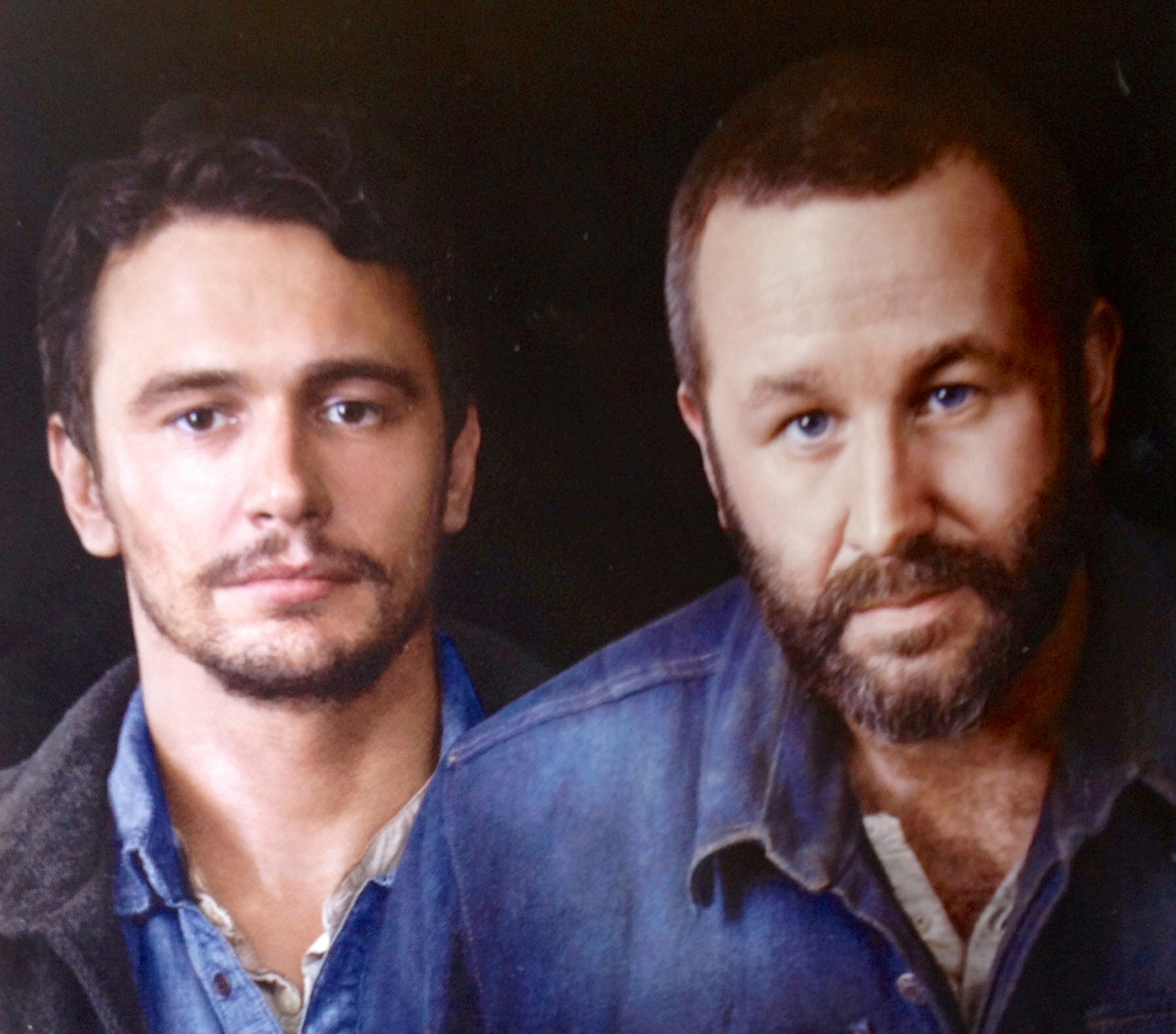
Set in California during the depression era of the 1930s, John Steinbeck’s classic tale (a novel which he adapted into a play) about yearning and despair is a parable, near Biblical in its nature. Anna D Shapiro’s revival is handsomely mounted, using four elaborate sets, and features star names, better known for their film and television work, perhaps hoping that their presence will draw audiences to a play in which any trace of a feel good factor stays firmly in the wings. George and Lennie are peripatetic ranch hands and we first meet them as they are preparing to bed down for the night in the open air, prior to starting work on a new ranch the following day. George is solid and practical, but Lennie, a giant of a man with immense physical strength, is a simpleton with faltering memory and an obsession for small animals – mice, rabbits, puppy dogs – which, not knowing his own strength, he literally loves to death. They arrive in the bunk room of their new workplace intent on staying out of trouble and earning the dollars that they need to fulfil their distant dreams. They meet Candy (a deeply moving performance from Jim Norton), an aged, part disabled worker who clings forlornly to his dying dog, knowing that he too faces a future of further decline, but without the hope of someone putting him out of his misery. It is in Candy’s words that Steinbeck’s pleas for a more benevolent society, one which cares for its sick and needy, are heard most eloquently.  James Franco’s George is a dreamer, but also a realist. He instantly recognises the boss’s flighty daughter-in-law (Leighton Meester) as trouble waiting to happen and carefully resists temptation. However, the other characters all question why George hangs around with Lennie and Franco’s performance does not really explain this to the audience either. The big revelation in this production is Chris O’Dowd. In less skilled hands, Lennie could be just a grotesque ogre, a one-dimensional imitation of Charles Laughton’s Quasimodo, but here we have a real human being, deserving of sympathy and compassion even at his most wayward. O’Dowd draws on his grounding in light comedy to bring out the humour in the character, but then demonstrates how fine a dramatic actor he has become by making every gesture and every facial expression speak of Lennie’s inner turmoil.  The supporting performances are also strong. Alex Morf as the boss’s oafish son rants in jealous rage as he seeks his potentially unfaithful wife and Ron Cephas Jones, as the only black ranch hand, consigned to separate living quarters, is dignified and defiant in his isolation. As is common when a novel is adapted into a play, there are times when the drama feels over-plotted and contrived, with events seeming to move too quickly. However, Steinbeck’s vivid and unforgiving writing always surmounts such problems. Laden with metaphors and making extensive use of animal imagery, this is a stark and discomforting work, building to a tragic, if inevitable conclusion. The impact of the shocking climax is diminished just slightly by Franco not quite finding his character’s emotional heart, but Steinbeck’s messages come through strongly. In a country still fiercely debating welfare, health care and criminal justice, this potent play has plenty to say more than 80 years after it was written.

Performance date: 1 May 2014

thepublicreview_hor_web copy

kinky_boots_broadway_billy_porterThis review was originally written for The Public Reviews: http://www.thepublicreviews.com

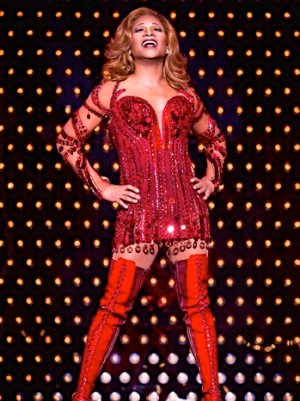
In the old days, a Broadway musical might have been set in Bali, Siam or the Austrian Alps. Now it is Northampton, which, as a sign on the opening set usefully points out, is in England. When the Americans adapted The Fully Monty into a musical, they re-located it to Buffalo, but this time, working from another modest British film comedy, they have let it stay put in its original home and all the better it is for that. This is the show that won Best Musical and Best Actor in a Musical for its star, Billy Porter, at the 2013 Tony Awards. Essentially, it is a song and dance extravaganza in the classic Broadway style, so seekers of depth and subtlety may want to look elsewhere. Here we have a simplistic, joyful and life-affirming show which has its huge heart in all the right places. The story concerns a business manufacturing quality men’s shoes which is going bust through being unable to compete with cheap foreign imports. Charlie inherits the factory reluctantly when his father dies and, after a chance meeting with Lola, a flamboyant drag artist, he develops the idea of saving it by catering for a niche market – designing and making “kinky” boots to be worn by cross-dressers. Having been responsible for the book of La Cage aux Folles, Harvey Fierstein is hardly breaking new ground here and, as with that earlier show, there are times when the script drags (in the wrong way) and becomes overburdened with treacly sentimentality. However, for the most part, the show is bright and witty, helped along considerably by Fierstein’s inspired collaboration with Cyndi Lauper, a girl who just wants to have fun and does exactly that time after time. Billy Porter’s Lola is brash and sassy, coming to vibrant life when decked out in a brightly coloured wig, sequinned frock and very high heels. As she leads her drag troop performing numbers such as the provocative Sex is in the Heel, the show blazes to life and the choreography dazzles. Conversely, playing her alter ego, Simon from Clacton, Porter is touchingly diffident and uncertain. Andy Kelso has the thankless tasks of playing opposite a showstopper and of enlivening the rather dry Charlie, but he does well and handles his big number, Soul of a Man, confidently. The pair’s duet, Not My Father’s Son is very moving, but it is one of several examples of Lauper’s lyrics being stronger than her melodies. The breezy pop songs are often in the style associated with Lauper as a performer. Indeed, when Lauren (delightfully played by Jeanna De Waal), a factory worker with her eye on Charlie, sings the comic The History of Wrong Guys, it is difficult not to imagine the song’s writer standing there. American actors’ command of British accents seems to have come a long way since the days of Dick Van Dyke and notable among a strong supporting cast are Cortney Wolfson as Charlie’s irksome soon to be ex fiancé and Daniel Stewart Sherman as a homophobic neanderthal who, as is inevitable in a show like this, gradually mellows. Jerry Mitchell’s fast moving, slickly choreographed production hits all the right notes, bringing glam and glitter to the fore and it build to a glorious finale with the anthemic Raise You Up. Kinky Boots may not quite belong in the very top drawer of Broadway musicals, but it is an undoubted crowd pleaser and, deservedly, a resounding hit.

Performance date: 30 April 2014

thepublicreview_hor_web copy

JPRAISON-articleLargeThis review was originally written for The Public Reviews: http://www.thepublicreviews.com

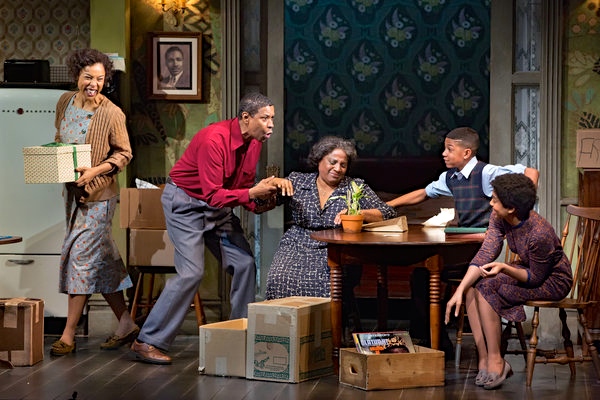
Bruce Norris’s savage satire Clybourne Park, a big hit on both sides of the Atlantic in 2010, centred on the impact on an exclusively white Chicago suburb of that name when a black family moves in in 1959. Therefore it makes a fascinating theatrical cross reference to now see this play, actually dating from 1959, which is set in a ghetto on Chicago’s South Side and shows a black family, presumably the one that Norris had in mind, in the course of buying a house in Clybourne Park. Lorraine Hansberry’s play is a beautifully constructed work of traditional mid-20th Century theatre, rich with human emotion and the humour arising from everyday life. It also stands as a major landmark in the history of the American Civil Rights movement. Recently widowed, Lena Younger shares her cramped apartment with her restless son Walter, her idealistic daughter Beneatha and Walter’s wife and young son. Lena’s $10,000 insurance pay-out offers the opportunity for Walter to start a business, for Beneatha to study medicine and for the whole family to make that move to Clybourne Park. Latanya Richardson Jackson’s Lena is a fierce but loving matriarch, upholding Christian family values above all else. There are times when her performance dominates this production, upstaging even Denzel Washington who captures to perfection Walter’s frustration and uncertainty in balancing family responsibilities with personal ambitions. He proves to be an actor with the power, range and charisma to command the stage as much as he does the big screen. The strains placed upon Walter’s marriage to Ruth (a fine portrayal by the British actress Sophie Okonedo) are central to the play, but Hansberry uses the developing relationship between Beneatha and her Nigerian suitor Joseph for expressing many of her progressive ideas. Anika Noni Rose’s Beneatha is a naive optimist set on discovering her African roots, whilst Sean Patrick Thomas’s Joseph is a grounded pragmatist and it is to him that the play’s keynote speech, arguably one of the greatest in American drama, falls. He talks of the challenges of equating dreams with reality and of a future in which solutions to problems can never be seen, but in which change will be slow and almost imperceptible. The prescience of Hansberry’s writing, here and throughout the play, is remarkable and it brings home the extent of the tragedy of her early death at the age of just 35. Kenny Leon’s production is sharply focussed and adorned by many delightful humorous touches, whilst Mark Thompson’s carefully detailed set reflects the make-do lifestyle of a poverty line household. Judging by the loud reactions of an ethnically mixed New York audience, the play’s observations on race issues still hit raw nerves, but it would be wrong to see it as being solely about race. The struggles of a working family to hold itself together and maintain standards of decency, whilst combatting life’s challenges, are universal and resonate just as strongly more than half a century after Hansberry’s play first appeared. The Obamas have already seen and publicly given their seal of approval to this production. It is appropriate that they should have done so, because it feels throughout as if it is the definitive modern day interpretation of a towering American classic. Completely unforgettable.

Performance date: 30 April 2014

thepublicreview_hor_web copy

Debris**** (Southwark Playhouse)

Posted: April 28, 2014 in Theatre

Attachment-1With a pile of rubble forming the centrepiece of the performance area, this is a dark and intense hour-long two-hander showing life and death amongst the dregs of modern urban society. The characters are a young brother and sister who recount in gruesome detail the deaths of their parents, filling their narratives with vivid descriptions of Dickensian-style grotesques. Dennis Kelly’s writing is rich, almost poetic and the images created are deeply disturbing, yet it is filled with morbid humour and passion, even an eventual sense of optimism. Amidst the debris of ruined lives, new life emerges and new hope. The production is blessed by two staggering performances from Harry McEntire and Leila Mimmack who bring out all the horror and despair of their characters’ blighted lives and instinctively mine the rich seam of humour running through the writing. Two potential stars have risen from these ruins.

Parformance date: 28 April 2014

This review was originally written for The Public Reviews: http://www.thepublicreviews.com

Russian writer Vladimir Nabokov was never one to shrink from rattling cages, as is amply demonstrated in this energetic and original entertainment, devised by Belka Productions. Three of Nabakov’s short stories, written between 1924 and 1930, and set in the decadent Germany of that time have been adapted and interwoven to create 90 minutes of drama, movement and music. The linking theme is transport, with people dashing around on trains and buses, their lives intersecting briefly, colliding with each other, missing each other or ignoring each other. Alexey (Luke Courtier) is a Russian, exiled from his home at the time of the 1917 Revolution, who holds the single dream of being reunited with his wife Lena (Kate Craggs), who is also in Germany and searching for him, even aboard the same train on which he is working as a guard. Konstantin (Joel Gorf) is also a Russian exile, but happy that his work as a travelling salesman takes him away from his wife and enables him to satisfy his lascivious desires; Sonja (Madeleine Knight) has the misfortune to share his compartment, which leads to him abusing and then callously discarding her. Frau Monde (Peter Clements) acts as MC and adopts the guise of the devil in the third story in which Erwin (Edward Cole), a shy voyeur, is offered the chance to have all his sexual fantasies brought to reality as part of a demonic pact. On their own, each of the stories is insubstantial and not entirely satisfying, but, collectively, they paint a fascinating picture of people in turmoil inside a country and continent which are also in turmoil and heading towards catastrophe. Director Simon Eves cleverly uses his company of just six to create an impression of constant hustle and bustle around Agnes Treplin’s set which adapts readily to represent carriages and stations. Only Clements’ camp, cross-dressing MC/devil reminds us of the familiar depictions of German night life in the inter-war years; for the most part, Nabakov shows us a daytime world which is equally corrupted. Alexey, haunted by loneliness, turns to drugs which are easily available and contemplates suicide; Konstantin has lost all sense of morality and feels free to trample over others at will; Erwin will pay any price to get what would otherwise be unattainable. Presented as part of the UK-Russia Year of Culture, this is a vibrant and highly unusual work of theatre, imaginatively conceived and well performed. Notwithstanding the bleakness of its vision, it always holds our interest and offers considerable entertainment.

Performance date: 25 April 2014

thepublicreview_hor_web copy